
‘We owe him everything’:
Durand-Ruel and ‘his’ artists
Preview of the Impressionist & Modern Art auction on 26 June 2026
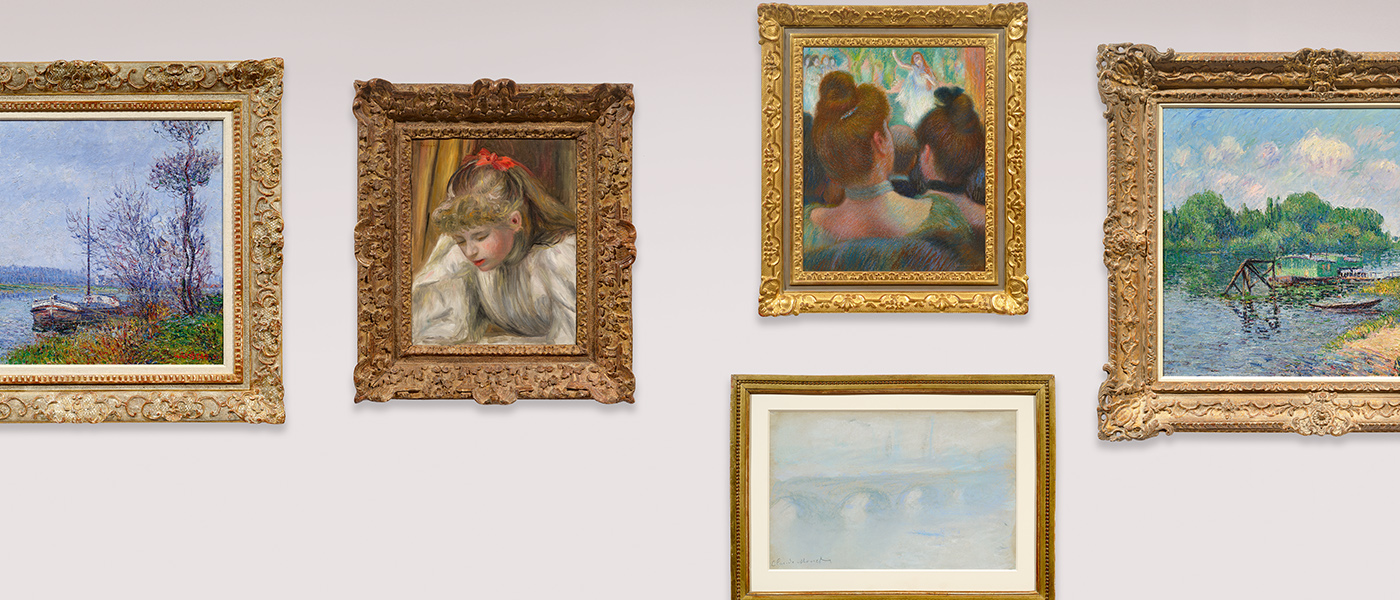
The paintings illustrated here all have one thing in common, beyond what can be seen in their style or subject: the artists were all represented by the legendary art dealer Paul Durand-Ruel.
Durand-Ruel took over his parents’ art gallery at a time when there was only one way to discover and purchase art: the annual Paris Salon. It was a must-see annual event, which the ‘tout Paris’ attended. Artists’ careers were made or destroyed by the reactions of the public and the press. But the Salon was notoriously ultra-conservative, and increasingly hostile with regard to new art movements, such as Impressionism.
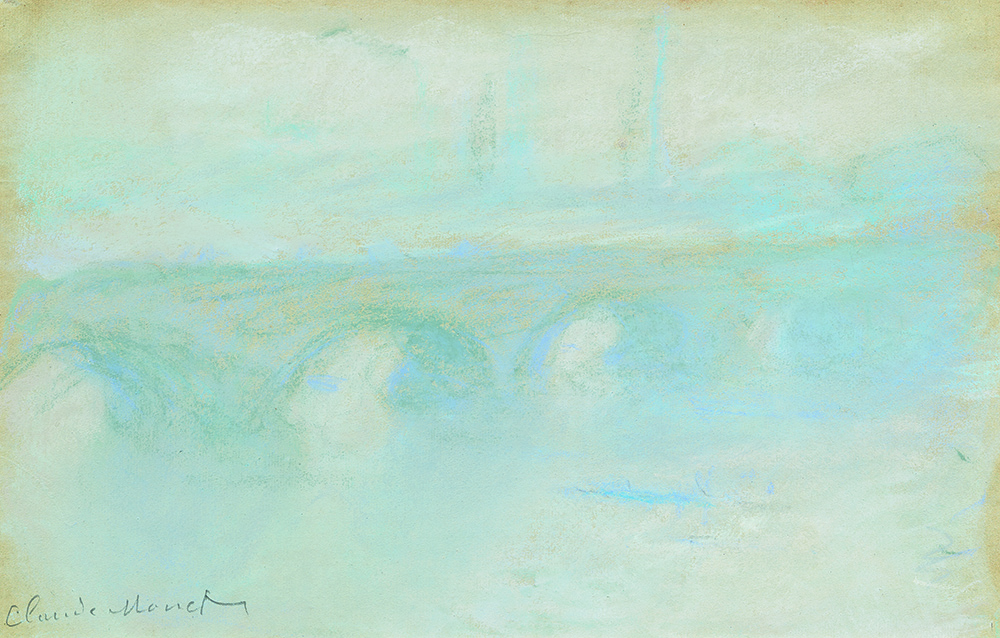
Claude
Monet
Waterloo Bridge. 1900/01.
Pastel on paper. 31.7 × 48.3 cm.
Estimate: CHF 350 000/450 000
Bypassing the Salon system, Durand-Ruel introduced a concept which today we take for granted, but at the time seemed far from likely to succeed. From 1870, he organised exhibitions in London and in his Paris gallery. In London he met Claude Monet, a temporary refugee, like himself, from the Franco-Prussian war. Monet would later introduce him to Pierre-Auguste Renoir, Alfred Sisley, Camille Pissarro and Edgar Degas. In spite of the fact that his exhibitions were spectacularly unsuccessful, Durand-Ruel continued to purchase massive amounts of works from ‘his’ artists, and to tirelessly promote them, to the point where he was continually on the brink of bankruptcy. It wasn’t until the success of an 1886 exhibition in New York that the buying public began to take his stable of artists seriously.
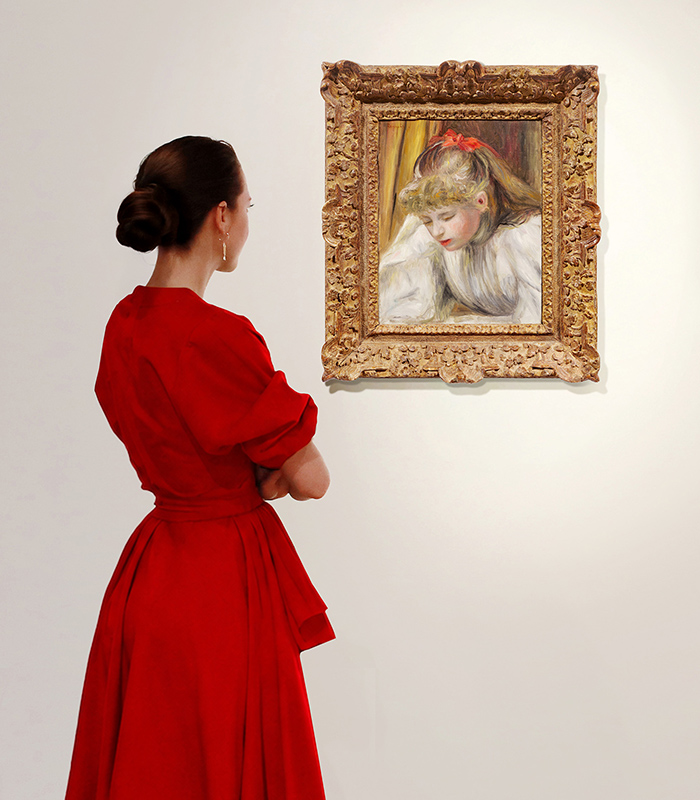
Pierre Auguste
Renoir
Jeune fille lisant, c. 1890.
Oil on canvas. 41 × 32.4 cm.
Estimate: CHF 900 000/1 400 000
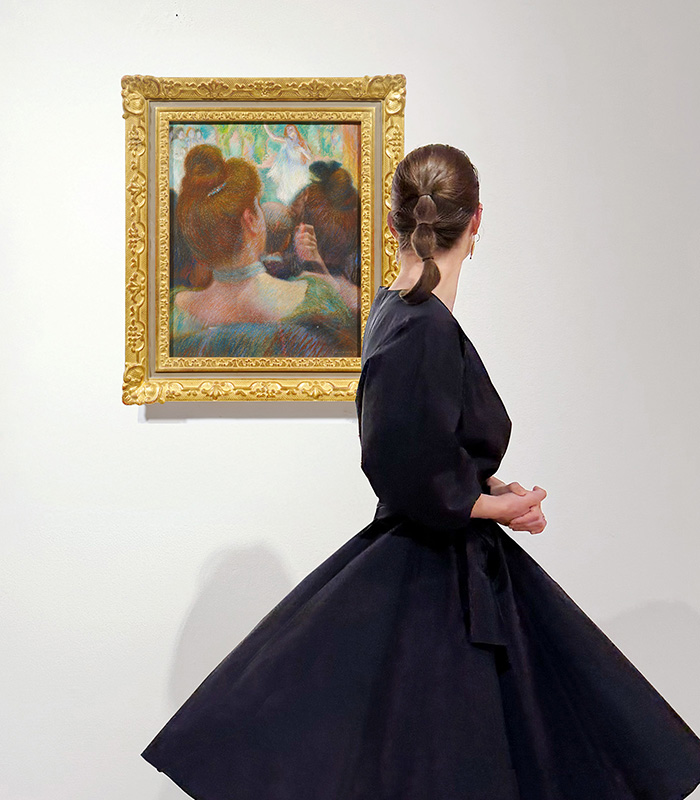
Federico
Zandomeneghi
Au théâtre, c. 1900.
Pastel on paper on board.
45.9 × 37.9 cm.
Estimate: CHF 60 000/90 000
The artists corresponded with him regularly, relating their artistic journey and sharing with him both their successes and defeats. In 1888, around the time he painted ‘Jeune fille lisant’, featured in our June auction, Renoir wrote to Durand-Ruel: ‘I have taken up my old style again, never to abandon it – soft and light in handling’.
Claude Monet was, along with Renoir, Durand-Ruel’s most championed artist. His pastel ‘Waterloo Bridge’ was inspired initially by his stay in London in the early 1870s, the time of his historic meeting with the gallerist. Motived by the works of Turner and London’s quintessential fog, he vowed to return to the capital and paint a series of views. He finally managed to do so thirty years later, from which time dates the work in our June auction.
‘We would have died of hunger without Durand-Ruel, all we impressionists,’ said Monet. ‘We owe him everything.’
Gustave
Loiseau
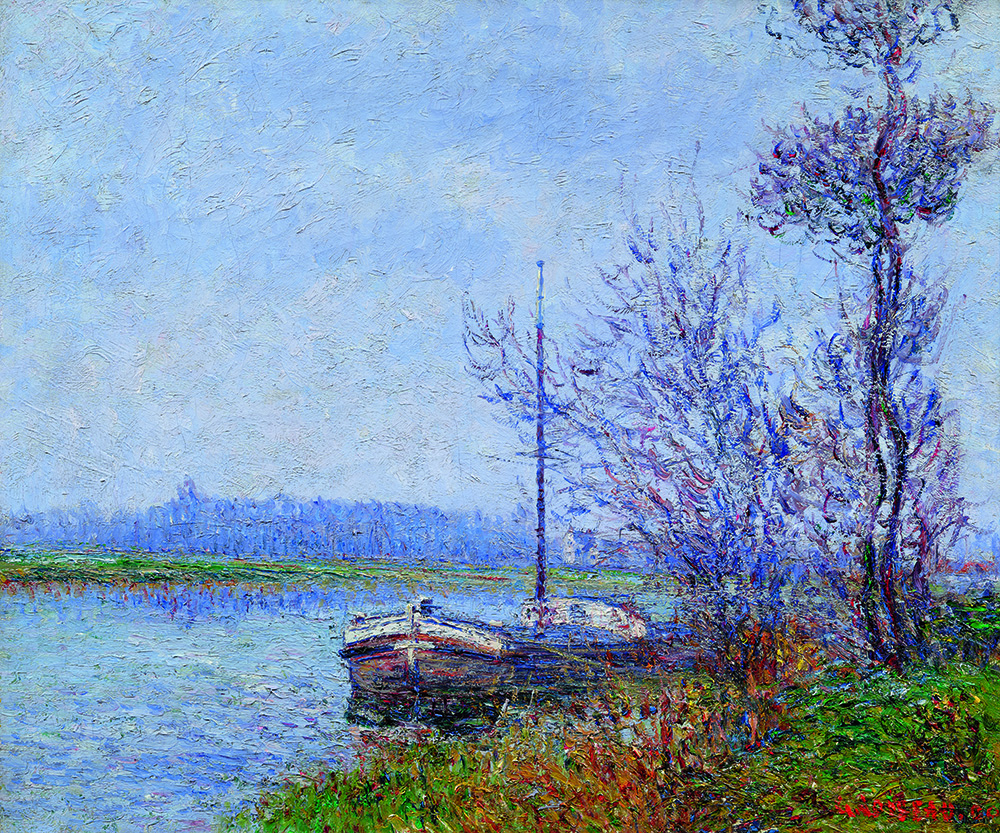
Péniche sur l’Oise. 1900.
Oil on canvas. 54 × 65 cm.
Estimate: CHF 120 000/180 000
Gustave
Loiseau
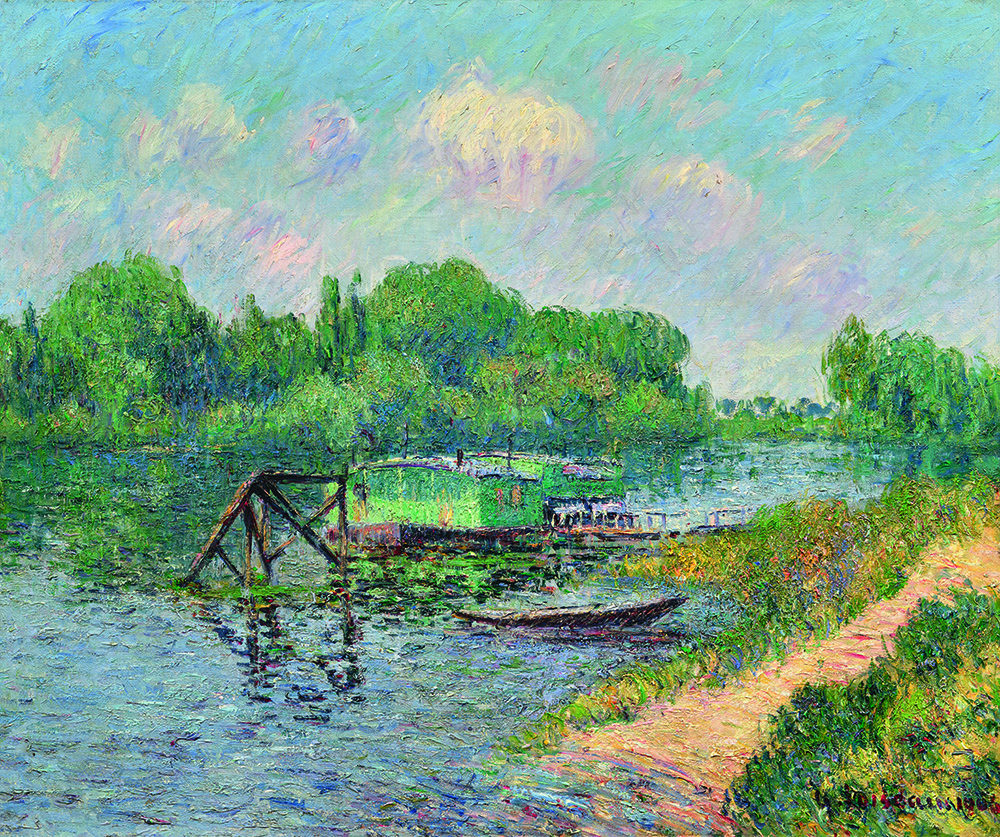
Lavoir sur la Seine à Herblay. 1906.
Oil on canvas. 54.3 × 64.8 cm.
Estimate: CHF 80 000/120 000
Not all of the artists Durand-Ruel represented became household names, but that did not discourage him from wholeheartedly supporting them, Federico Zandomeneghi was a political refugee from Venice who arrived in Paris in 1874. Durand-Ruel began showing his work in the 1890s, including two solo exhibitions. Today we can recognize the quiet genius in his work, such as ‘Au théâtre’ presented here, but Zandomeneghi never achieved significant recognition in his lifetime or for decades afterwards.
Gustave Loiseau, from the second generation of Impressionists, is another example of this. The two works shown here date from the early 1900s, a time when, thanks to Durand-Ruel, Loiseau was slowly gaining recognition and financial independence.
Although Monet and other artists sometimes grumbled about the political leanings and sales strategies of his patron (‘It took a reactionary to defend our paintings that the Salon people said were revolutionary,’ Monet wrote), he and the others recognised and were grateful for the dealer’s unfailing aid. ‘We would have died of hunger without Durand-Ruel, all we impressionists,’ said Monet. ‘We owe him everything.’

CONTACT FOR
ENQUIRIES AND
CONSIGNMENTS:
JARA KOLLER
Head of DepartmentImpressionist & Modern Art
jara.koller@kollerauktionen.com
+41 44 445 63 08